
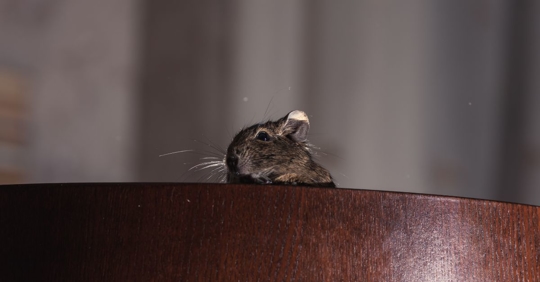
Rodent Seasonal Behavior Changes
As the frigid grasp of winter begins to take hold, the behavior of rodents undergoes a fascinating transformation. Their instinctual drive compels them to seek out warmth and sustenance, making cozy human homes prime targets. Rats and mice, in particular, experience a heightened sense of urgency to find shelter, as the temperatures plummet around them. This intrinsic behavior showcases their astute capability to adapt for survival. Our homes offer insulated havens complete with the temptation of accessible food supplies. For these reasons, understanding the seasonal behavior changes in rodents during winter is paramount for homeowners aiming to keep their spaces rodent-free.
To effectively tackle rodent issues in winter, one must delve into the why behind this behavioral shift. When temperatures dip, rodents begin storing food and searching for safe nesting sites, often stumbling upon the ample opportunities homes provide. As they venture indoors, driven by natural instinct, they're unwittingly conducting a reconnaissance mission to locate the best hospitality during the colder months. This is where homeowners come into the equation, by being proactive and aware of these behavior changes, homeowners can implement strategic measures to deter these opportunistic critters, safeguarding their homes and their peace of mind.
Migration Patterns and Habitat Adjustments
Winter's chill pushes rodents to adapt by adjusting their habitats, often resulting in an unwelcome migration from outdoor environments to the more inviting indoor spaces. This annual migration pattern significantly impacts human living spaces, as rodents are known to exploit every nook and cranny in search of shelter. As they relocate indoors, the cozy corners and hidden areas within our homes become their new territories. This adaptive behavior serves not only as an insight into the resourcefulness of rodents but also as a reminder of the vulnerabilities that homes present during this seasonal shift.
Understanding these migration patterns can elucidate why certain times of the year feel like a rodent invasion. It's not just about them finding warmth, but about reshaping their environments to survive. Their search for snug habitats is also a testament to their interaction with our modern living spaces, often taking up residence in attics, basements, or even unused cabinets. By closely analyzing these patterns, homeowners can pinpoint potential hotspots for rodent intrusions and fortify them against these determined invaders, ensuring their living spaces remain theirs alone.
Survival Mechanisms in Cold Weather
Survival in the harsh conditions of winter becomes a specialized endeavor for rodents, underlined by their robust mechanisms to endure the cold seasons. From crafting intricate nests within the cavities of homes to hoarding food in secretive caches, rodents display an impressive array of survival techniques. They show remarkable ingenuity by using various materials found within homes to build these nests, insulating themselves against the biting cold. For homeowners, recognizing these survival tactics is critical to understanding why encounters with these critters increase as the temperature drops.
By observing these behaviors, one gains a deeper appreciation for the complexity of rodent survival instincts. The act of hoarding food, for instance, is not just a preparatory measure but a calculated move to sustain them through food-scarce months. This hoarding can extend into household spaces, with rodents targeting pantry items or pet food left accessible. Acknowledging these survival behaviors empowers homeowners to implement preventive measures that interrupt these cycles, ensuring rodents find no comfort or sustenance under human roofs during winter months.
Identifying Structural Weaknesses
Cracks in the foundation, gaps in doorways, and vulnerable vents all serve as flashing welcome signs for rodents seeking entry. Identifying these structural weaknesses is crucial in preventing a rodent invasion. Even the smallest opening can become a gateway for mice or rats, whose flexible bodies allow them to slip through seemingly inaccessible spaces. Conducting thorough inspections of a home's exterior and interior is a proactive way to uncover these vulnerabilities.
Homeowners should especially focus on areas that are often overlooked, such as basements, attics, and ventilation systems. Rodents are adept climbers and can easily enter through roof vents or upper-level windows. To counter this, sealing gaps with materials like steel wool, caulk, or metal screens can be effective deterrents. Regular maintenance and supervision of these potential entry points can significantly reduce the likelihood of an infestation, allowing homeowners to maintain the sanctity and safety of their living spaces.
Human Activities Contributing to Infestations
Beyond structural weaknesses, human activities often play a significant role in inadvertently inviting rodents into homes. Simple, everyday habits such as improper food storage or neglected home maintenance can create an appealing environment for these persistent invaders. Failing to secure food items properly or leaving pet food out overnight provides a feast for rodents, sustaining them and encouraging their stay.
It's essential to recognize these unintentional lures and modify behaviors accordingly. By storing food in airtight containers and cleaning up food scraps promptly, homeowners can diminish attractive odors and scarcity-driven foraging opportunities for rodents. Additionally, regularly disposing of garbage and maintaining a clutter-free living area can deter rodents from setting up shop in your home. Moreover, tackling home repairs promptly ensures that deteriorating conditions don't become easy entry points for rodents, thus maintaining a secure and less inviting residence for these creatures.
Technology and Tools for Detection
In the battle against rodent infestations, technology has become an invaluable ally for homeowners. Modern tools such as motion sensors, infrared cameras, and digital traps offer new avenues for detecting and deterring rodent presence effectively. These technologies allow for continuous surveillance and the early detection of unwanted guests, providing homeowners with peace of mind and the opportunity to act swiftly before a small problem becomes a full-blown infestation.
Motion sensors and cameras can be strategically placed in key areas of the home, such as basements, attics, or kitchens, where rodent activity is most likely to occur. These devices send alerts or capture footage when any movement is detected, allowing homeowners to act promptly. Digital traps, on the other hand, provide a humane and efficient way to capture rodents, often connecting to smartphones to alert when there’s a catch. Embracing these technological advancements not only enhances protection but also streamlines the task of pest management, offering a smart approach to maintaining a rodent-free home.
Health Hazards of Rodent Infestations
Rodent infestations pose a significant threat to human health, with the potential to transmit a variety of diseases. These pests are carriers of dangerous pathogens such as Hantavirus, Salmonella, and Lymphocytic Choriomeningitis Virus (LCMV). Their droppings, urine, and even saliva can contaminate surfaces and food supplies, creating a health hazard for unsuspecting homeowners. In severe cases, rodents in the home can be linked to allergic reactions or asthma exacerbations, especially in sensitive individuals.
The health risks extend beyond direct contact, as airborne particles from dried feces can lead to respiratory issues when inhaled. This makes it imperative for homeowners to act swiftly at the first sign of an infestation, not only to protect their property but, more importantly, their health and well-being. Regular cleaning, proper food storage, and prompt responses to rodent sightings are essential prevention strategies that can significantly mitigate these health risks, maintaining a safer living environment for all occupants.
Structural and Property Damage
While the health risks of rodent infestations are alarming, the potential for structural and property damage is equally concerning. Rodents are notorious for their gnawing habits, which can lead to significant damage to electrical wiring, insulation, and other structural components of a home. This gnawing behavior is not merely mischievous—it's instinctive, as rodents need to keep their incisors from growing too long. However, this natural tendency can result in costly repairs and even pose fire hazards due to exposed wires.
Additionally, rodents often contaminate food supplies, making them unsafe for consumption. They can chew through packaging, leaving droppings and urine behind. The contamination of stored goods translates to financial losses and increased waste. Homeowners must, therefore, take proactive measures to prevent rodent access to these sensitive areas of the home. By implementing proper storage solutions and regular inspections, they can safeguard their property and prevent the extensive damage that rodents are capable of inflicting.
Psychological Impact on Household Members
The presence of rodents in the home is not only a physical threat but a psychological one as well. Discovering a rodent infestation can induce stress, anxiety, and disrupt the peace of mind for homeowners and their families. The nocturnal rustling or sudden sightings of these unwanted guests can lead to sleep disturbances, with individuals constantly on edge or feeling unsafe in their own homes.
This psychological burden can be mitigated by taking decisive action against rodent infestations. Understanding that swift and effective measures are in place to deal with this problem can help alleviate some of the anxiety associated with rodent presence. Additionally, seeking professional pest control services can provide reassurance, ensuring that experienced experts are managing the situation. Addressing both the physical and psychological aspects of rodent infestations is crucial to maintaining a harmonious and stress-free home environment.
Implementing Effective Rodent-Proofing
A comprehensive approach to rodent-proofing often begins with understanding the common entry points and vulnerabilities within the home. By sealing potential openings with durable materials such as steel wool, metal screens, or caulking, homeowners can effectively block rodents' access routes. Ensuring that doors and windows fit tightly and that no cracks or gaps are present is a critical first step in prevention. Additionally, homeowners should be vigilant in storing food in secure, airtight containers to remove food sources that might attract these pests in the first place.
Moreover, maintaining a clutter-free home environment is key. Rodents are opportunists, and they often exploit messes as concealed pathways throughout a home. Regularly cleaning areas that accumulate clutter, such as garages or attics, and disposing of waste promptly can make your home less appealing to these invaders. By employing these straightforward but effective strategies, homeowners can significantly diminish the risk of an infestation and maintain a rodent-free living space.
Landscaping and Exterior Maintenance Tips
Your home's exterior is just as important as its interior when it comes to rodent prevention. A well-maintained yard can serve as the first line of defense against rodent incursions. Landscaping practices such as trimming trees and shrubs away from the house can prevent rodents from using these natural ladders to gain access to the roof or attic spaces. Keeping the perimeter of the home clear of debris and excessive ground cover eliminates potential nesting sites.
In addition, homeowners should pay attention to the maintenance of gutters and drains. Clogged gutters can create moisture issues and nesting spots favorable to rodents. Ensuring gutters are clear and water is effectively diverted away from the home can aid in repelling rodent incursions. Regular exterior inspections for signs of rodent activity and maintaining the landscaping can thus serve as robust preventive measures, preserving the integrity and safety of your property.
Leveraging Professional Pest Control Services
Consider leveraging professional pest control services for a more systematic and long-term solution to rodent problems. Experts in pest management are equipped with the knowledge, skills, and tools needed to identify and address rodent issues comprehensively. They provide tailored solutions that target specific vulnerabilities unique to your home, ensuring that both current infestations and potential future problems are addressed.
Hiring professionals not only saves time and effort but can also give homeowners peace of mind, knowing their property is being protected by experienced hands. Whether it's through routine inspections, targeted treatments, or advising on preventive measures, pest control services play a crucial role in maintaining a rodent-free home. By enlisting expert help, you're choosing a proactive and effective approach to pest management, one that allows you to enjoy your home in comfort, free from rodent-related worries.
Impact of Temperature Fluctuations
Climate change is increasingly affecting rodent behavior and infestation patterns, primarily through temperature fluctuations that alter their habitats. As global temperatures rise and patterns become less predictable, rodents are compelled to adapt more rapidly to their changing environments. Warmer winters, for example, can extend the breeding season for rodents, leading to higher populations and subsequent increases in infestation instances in homes.
This adaptability has significant implications for homeowners, as it means their pest control strategies must also adapt. Understanding the influence of climate on rodent behavior can help in crafting more effective prevention techniques. Implementing environmentally conscious pest control measures and anticipating rodent behavioral shifts can empower homeowners to maintain control over their living environment, even in the face of climate-induced changes.
Shifts in Rodent Population Dynamics
Changes in climate don't just affect when rodents breed, but also how large their populations can become and where they can thrive. With milder winters, rodents may not have to face the harsh survival conditions that naturally keep their numbers in check. This shift in population dynamics can lead to heightened competition for resources, driving rodents further into human habitats in search of shelter and sustenance.
For homeowners, this trend highlights the need for vigilance and preparedness. By staying informed about climatic changes and their impacts on local wildlife, homeowners can anticipate possible increases in rodent activity. Strategic planning, such as regular home inspections and reinforcing property defenses, becomes essential in adapting to these shifts, ensuring that homes remain secure against an ever-evolving threat.
Future Implications for Homeowners
Looking to the future, climate change continues to present challenges for homeowners regarding rodent infestations. As populations adapt and grow, it becomes crucial to anticipate potential infestation trends and prepare accordingly. This means investing in both current and future-oriented pest control measures, understanding that traditional methods may need to evolve with the pest landscape itself.
Homeowners are encouraged to remain proactive, seeking the latest information and tools in pest management. By embracing a forward-thinking approach, which includes professional pest control partnerships, homeowners can safeguard their properties against the uncertainties of climate change. Fortifying your home's defenses now ensures a more secure tomorrow, where your living space remains a sanctuary free from unwelcome rodent guests, regardless of the climate's progression.
Keep Your Home Rodent-Free This Winter with Hotchkiss Pest Control
Understanding rodent behavior and the multitude of factors contributing to infestations is crucial for homeowners who wish to protect their homes this winter. By implementing effective rodent control strategies, homeowners can stay ahead of potential infestations. If you're ready to say goodbye to the fear of a rodent takeover, reach out to Hotchkiss Pest Control for expert assistance and ensure a pest-free winter.
Call Hotchkiss Pest Control today at (828) 373-3067 or contact us online.